Understanding Metabolic Health
A clear and trusted guide to the conditions, risks, and lifestyle patterns that shape long-term health for individuals, families, and communities worldwide.
Evidence-based. Human-centered.
Easy to understand.
What Is Metabolic Health?
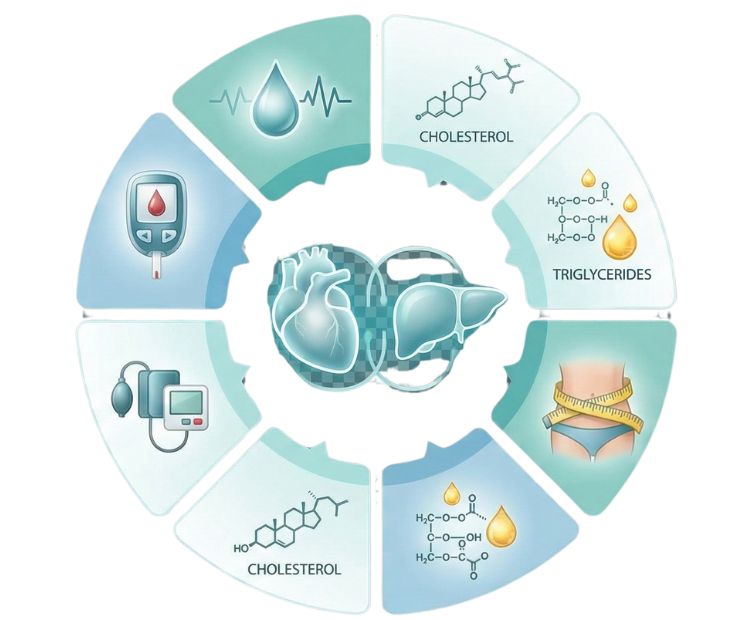
Metabolic health refers to how well the body manages and uses energy. When the core metabolic markers—blood sugar, blood pressure, triglycerides, cholesterol, and waist circumference—stay within healthy ranges, the body is better protected from chronic disease. Good metabolic health supports long-term vitality, reduces healthcare burdens, and strengthens community well-being.
- Healthy blood sugar
- Healthy blood pressure
- Balanced cholesterol and triglycerides
- Healthy body weight and waist measurement
- Strong heart and liver function
Strong metabolic health means a longer, more active, and more resilient life.
Conditions Linked to Metabolic Health
Metabolic health influences a wide range of chronic conditions. Understanding each helps individuals and policymakers identify risks early and take informed action.
Diabetes
Provides strategic oversight, mission alignment, and global accountability.
Obesity
Excess body fat disrupts metabolic processes and raises the likelihood of diabetes, hypertension, and heart disease.
Hypertension
High blood pressure strains the heart and blood vessels, increasing the risk of stroke and cardiovascular disease.
Dyslipidemia
Imbalanced cholesterol and triglyceride levels affect heart health and accelerate metabolic risk.
Cardiovascular Disease (CVD)
Reduced heart and blood vessel function resulting from long-term metabolic strain and lifestyle factors.
MASLD
(Metabolic Dysfunction–Associated Steatotic Liver Disease) Fat buildup in the liver linked to insulin resistance, obesity, and lifestyle-related metabolic stress.

Prevention & Lifestyle
How to Maintain Strong Metabolic Health
Evidence-based habits that support long-term health, energy, and resilience.
- Eat balanced meals rich in whole foods
- Engage in regular physical activity
- Maintain a healthy weight
- Prioritize sleep and recovery
- Manage stress effectively
- Avoid tobacco and limit alcohol
- Get regular health screenings
Small daily actions create meaningful long-term impact.
Screening & Early Detection
Regular screening helps identify metabolic risks early—long before symptoms develop. Early detection enables timely lifestyle changes and medical guidance that improve long-term health outcomes.
Blood sugar testing
Blood pressure checks
Cholesterol & lipid profiling
Waist circumference measurement
Body mass index (BMI)
Liver enzyme testing
Heart health evaluations
Lifestyle Risk Evaluation

Living With Metabolic Risk
Living with Metabolic Risk
Managing metabolic risk is a lifelong journey—but it is fully possible with the right support. Balanced routines, community resources, and medical guidance empower individuals to stay healthy and active.
- Follow medical advice and take medications as prescribed
- Create a sustainable meal pattern
- Engage in regular movement
- Monitor health markers routinely
- Join support groups or community programs
- Care for emotional and mental well-being
You are not alone. With the right tools and support, better metabolic health is within reach.
Take the First Step Toward Better Metabolic Health
Explore tools, resources, and evidence-based guidance to support healthier communities worldwide.